That first look in the mirror after braces come off feels like a milestone, a moment that makes all the effort worth it. But keeping that new smile steady takes one more small but important step: the retainer. Drs. Lena and Eric Bortnem at Bortnem Orthodontics in Benbrook know how vital this phase is for maintaining long-term results. Next, let’s look at how retainers keep everything right where it belongs once treatment is complete.
What Retainers Actually Do
Retainers may look simple, but they play a powerful role in keeping smiles steady after orthodontic treatment. Once braces or aligners come off, teeth can naturally start to shift toward their old positions. A retainer acts like a quiet reminder, holding everything in place while the surrounding bone and tissues settle into their new positions.
Here’s what retainers help with:
- Maintaining the tooth placement created by treatment
- Supporting long-term bite balance
- Keeping teeth stable as the mouth adjusts post-treatment
- Helping results stay consistent for years to come
Think of retainers as the final touch that keeps all that hard work locked in. Next, let’s look at the different styles of retainers and what makes each one effective.
Common Types of Retainers
Retainers come in a few familiar styles, each with its own perks. Some can be removed for meals or brushing, while others stay put full-time to maintain steady progress. The right type often depends on what feels most comfortable and fits best with your routine.
Removable retainers:
- Hawley retainers use a thin wire and acrylic base for strength and easy adjustments.
- Clear retainers are made from smooth, transparent plastic for a subtle look.
Fixed retainers:
- A slim wire is attached behind the front teeth to provide constant support.
- They’re popular for keeping front teeth stable over time.
- Some call them “permanent retainers”. However, they are not permanent as they can break off.
No matter the style, consistency is what makes retainers effective. Next, let’s look at how long they’re usually worn and how routines change over time.
How Long Do You Need to Wear a Retainer?
There’s no single schedule that fits everyone, but one thing is certain: retainers work best when they’re part of a consistent routine. After treatment, the teeth and surrounding tissues need time to adjust and settle into their new positions. That’s where retainer wear comes in.
The Early Phase
In the first couple months, Drs. Lena and Eric typically recommend wearing retainers full-time. This gives the bone and gums a chance to adapt and helps everything stay stable as your mouth adjusts.
The Maintenance Phase
After that, many people switch to nighttime wear. It’s a simple habit that keeps results steady for years without interrupting daily activities.
The Long-Term Plan
Even after the first year, occasional wear helps preserve alignment over time. Think of it as a small step that keeps treatment results lasting.
Next, let’s look at how easy care and storage habits can extend a retainer’s lifespan and keep it fresh.
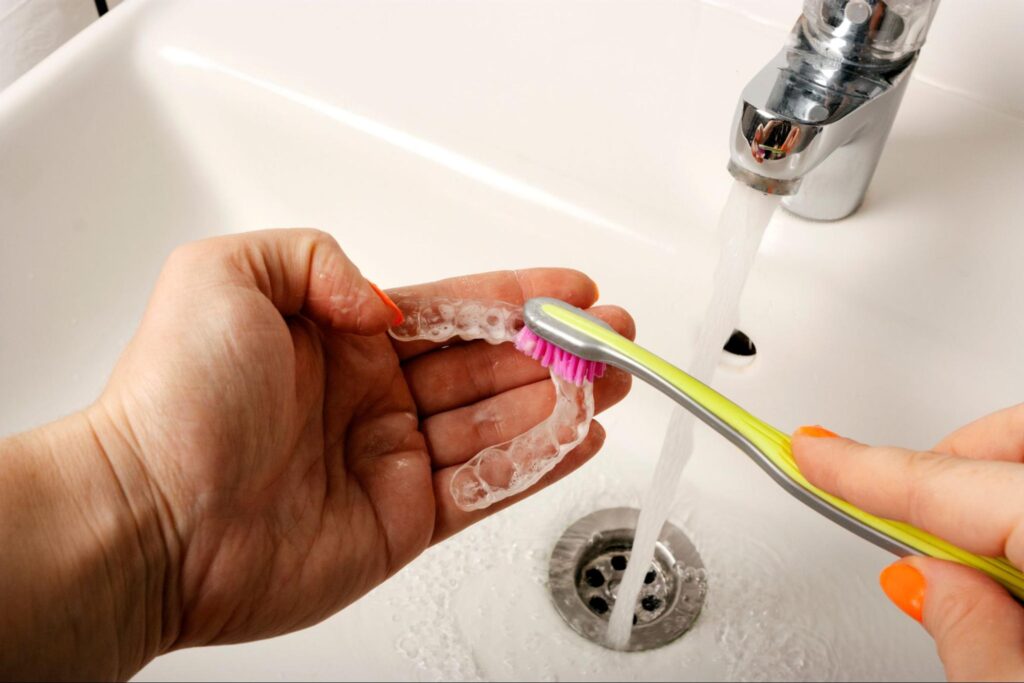
Simple Care Tips That Make a Difference
Keeping a retainer clean and safe is easy with a few consistent habits. The team at Bortnem Orthodontics reminds patients around Benbrook that small steps can make a big impact on long-term results. Drs. Lena and Eric Bortnem often suggest pairing retainer care with an existing routine, like brushing before bed or packing your case before heading out to class at Benbrook Middle-High School.
Here’s how to keep your retainer in great condition:
- Rinse after removing to wash away buildup.
- Brush gently with a soft toothbrush and mild soap rather than toothpaste, which can scratch the surface.
- Store it in a ventilated case whenever it’s not being worn.
- Keep it away from heat, napkins, and curious pets (dogs especially love them!)
The team’s biggest tip is consistency. Keeping up with these habits helps retainers stay clear, comfortable, and dependable. Next, let’s look at what to do if a retainer starts to feel a little off.
When a Retainer Doesn’t Fit Quite Right
Even with good care, a retainer can sometimes feel tighter than usual or stop fitting as it should. This is usually a sign that minor shifting has started or that the material has changed shape over time. The team at Bortnem Orthodontics encourages patients to pay attention to those early signs and reach out to the practice if something doesn’t feel right.
Common Reasons for a Poor Fit
A retainer might feel different if it hasn’t been worn regularly, has been exposed to heat, or simply needs to be replaced after long-term use. Trying to force it back into place can cause damage, so it’s best to let a professional assess the situation.
How to Handle It
Bring the retainer to your next visit so Drs. Lena and Eric Bortnem can determine what’s causing the issue. Sometimes a small tweak can make it fit comfortably again, and in other cases, a new one may be needed.
Being proactive helps keep your results on track and your smile stable. Next, let’s see how wearing retainers becomes second nature once they’re part of your everyday rhythm.
Making Retainers Part of Everyday Life
Once wearing a retainer becomes a habit, it blends easily into daily life. Many people in Benbrook find it simple to pair nighttime wear with their bedtime routine, much like brushing or setting an alarm.
The team at Bortnem Orthodontics often reminds patients that consistency matters more than perfection. Drs. Lena and Eric Bortnem also encourage families to create reminders, like keeping the retainer case on the bathroom counter or near a favorite water bottle. These little cues make it easier to stay on track without overthinking it.
With time, wearing a retainer becomes second nature and the most effortless part of maintaining orthodontic results.

The Small Habit That Makes a Big Impact
A retainer might not get much attention, but it’s the quiet hero that keeps your smile steady for years to come. In Benbrook and the greater Fort Worth area, Bortnem Orthodontics helps patients understand how this simple habit supports lasting confidence. Drs. Lena and Eric Bortnem make orthodontic care feel approachable, practical, and rewarding from start to finish. Schedule your free consultation and see how steady habits build lifelong results!